
LOCATION
Fort Wayne, IN
COMPLETION
2023
SCOPE
Renovation
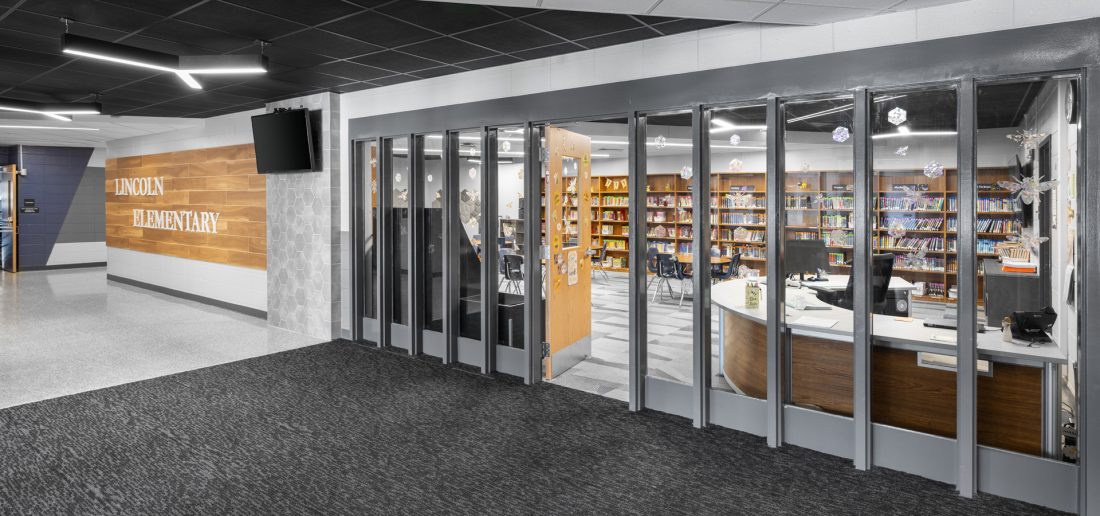
Garmann Miller partnered with Fort Wayne Community Schools to revitalize the educational landscape of Arlington and Lincoln Elementary Schools. Built in 1975, these one-story structures were in need of modern facelifts to meet the evolving needs of education delivery.
The renovation project encompassed extensive upgrades to the HVAC systems and a strategic reprogramming of the existing building space to accommodate new academic classrooms. The team used advanced technology, scanning both schools and creating a detailed Matterport model. This model served as a valuable tool for the design team, ensuring accurate documentation of existing conditions and enhancing the precision of construction documents.

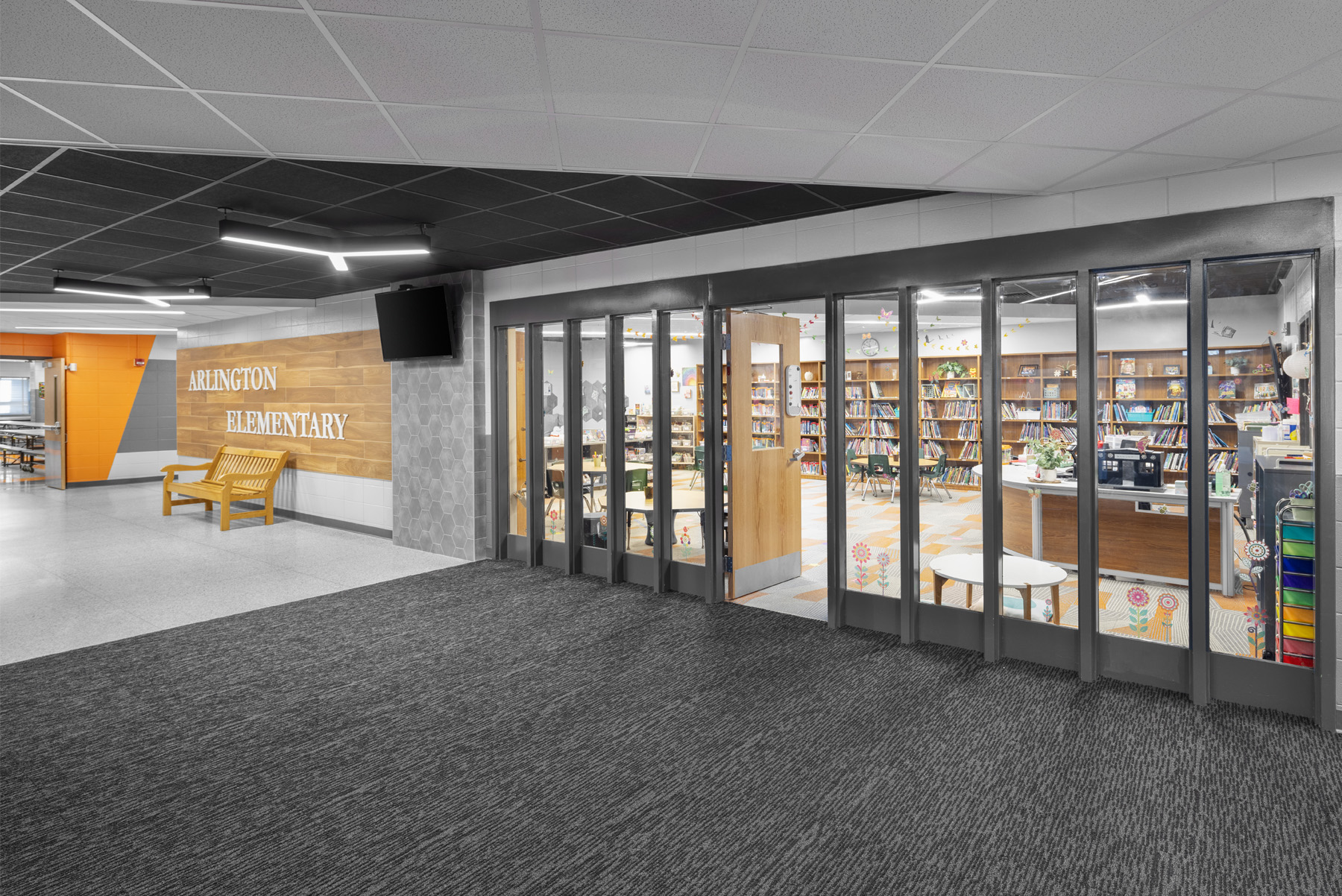
Space allocation: One of the notable architectural changes involved relocating administrative offices to the exterior main entrance doors, which created secure entry vestibules for both schools. This decision enhances safety while maintaining a welcoming atmosphere for students and staff. In addition, Arlington Elementary witnessed a significant expansion of student dining facilities through a purpose-built building addition, reflecting a commitment to providing comfortable and functional spaces for students to gather.
I’m excited to see the transformation of Arlington and Lincoln Elementary Schools, and the positive impact our designs have on the learning experience for FWCS students.Matt Hibner, AIA, architect/project manager


Construction methodology: FWCS used the Construction Manager as Constructor (CMc) project delivery method, emphasizing collaboration and efficiency. Construction commenced in the spring of 2022, with a focus on minimizing disruptions to the ongoing academic activities. Both Arlington and Lincoln were substantially completed ahead of the 2023/2024 academic school year, a testament to the coordination between the design and construction teams.
Innovative solutions: The design team adopted a strategic approach to phasing the renovation project to ensure minimal disruptions. This entailed phasing of classrooms and sequenced partial demolition. A key accomplishment was maintaining the functionality of the central air handling unit throughout each phase. The phased approach allowed for the completion of crucial infrastructure elements. GM completed the chilled water and heating hot water piping main loops in phase one of the project and utilized summers to renovate common spaces. In corridors where ductwork needed to remain operational, the design plans routed piping mains above classrooms to ensure uninterrupted service.