

Innovative science, technology, engineering, and mathematics (STEM) environments are transforming how K-12 students develop skills for future careers. These spaces extend learning beyond traditional classrooms, creating opportunities for hands-on experiences that encourage creativity and problem-solving.
At the 2026 BASA Fall Conference, held Oct. 6 in Columbus, Ohio, Garmann Miller’s Monica Bruaw, CPSM, lead K–12 planner; and Becky Baumer, ALEP, educational visioning specialist; joined superintendents Dr. Martin Miller of Antwerp Local Schools and Jason Schrader of New Bremen Local Schools to present “Creating Innovation Hubs: Impact of STEM Spaces in K–12 Education.”
The panel discussion explored how school districts are integrating STEM into their facilities, sharing insights on planning, implementation, and the impact these innovative spaces can have on academic and professional growth.
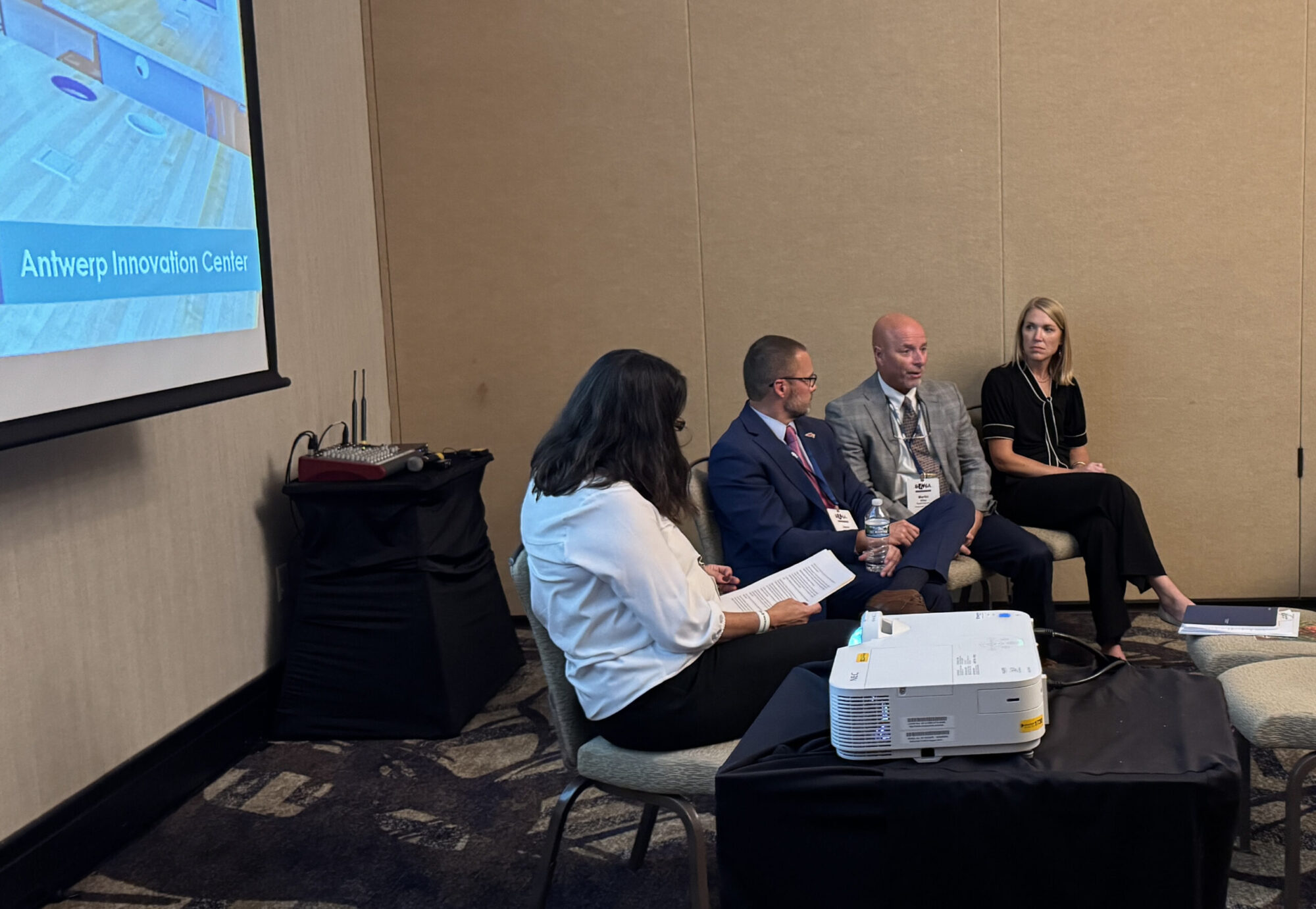 From left: Monica Bruaw, CPSM; Jason Schrader; Dr. Martin Miller; Becky Baumer, ALEP
Creating Spaces that Inspire Learning
STEM innovation centers provide opportunities for students to explore new ideas, solve problems, and collaborate across disciplines. However, creating these environments involves more than incorporating advanced technology and equipment.
Moderated by Bruaw, the panel explored the inspiration behind each district’s STEM initiatives and the planning and implementation process. The discussion also highlighted the importance of designing spaces that support students of varying ages, abilities, and learning needs.
Schrader referenced the importance of creating spaces where students can apply what they’ve learned through hands-on experiences. He also highlighted opportunities for students to collaborate, solve problems, and discover new interests along the way.
Flexible furnishings, thoughtful layouts, and adaptable learning environments to support different instructional approaches and encourage collaboration also were discussed.
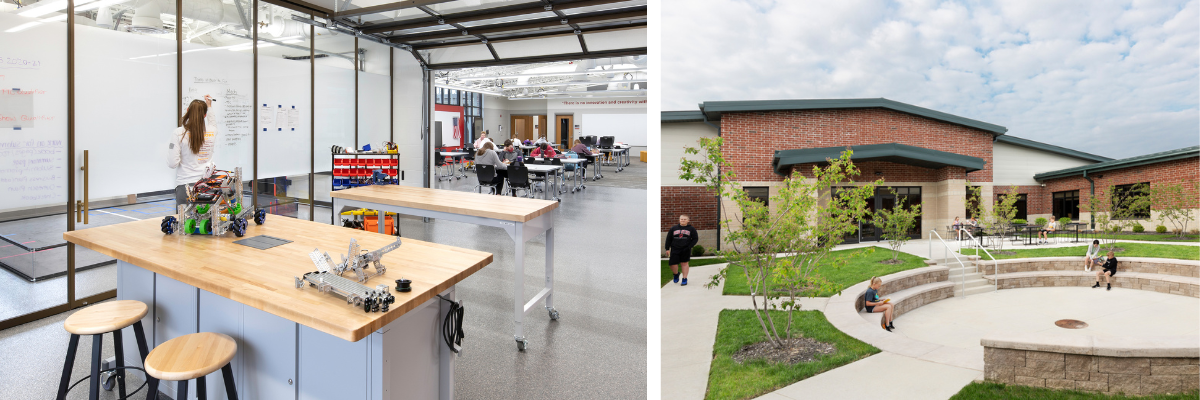 New Bremen Local Schools: Dianne Komminsk Center for Innovative Thinking
Turning Vision Into Reality
Drawing on their experiences at Antwerp and New Bremen, the panelists explored the considerations involved in bringing STEM innovation centers to life. Topics included community and industry involvement, funding strategies, professional development for educators, and the challenges associated with implementing new learning environments.
Miller emphasized that creating an innovative learning space goes beyond the building and equipment. He highlighted the importance of establishing a clear vision, preparing teachers to effectively use the space, and engaging community partners who recognize its value to students.
The conversation also emphasized the importance of looking beyond the physical space. Successful STEM initiatives require alignment between facility design, educational programming, instructional practices, and the resources needed to support long-term use.
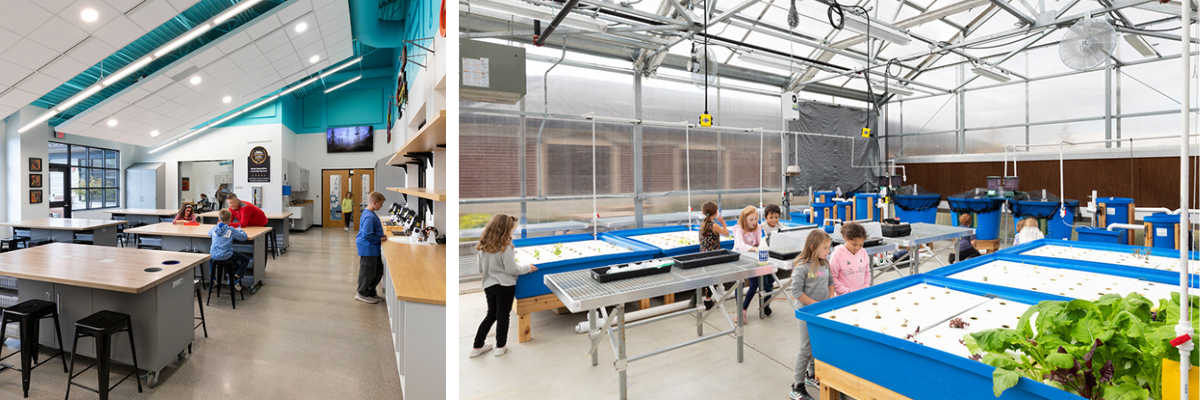 Antwerp Local Schools: Innovation and Aquaponics Center
Planning for the Future of STEM Education
As technology and workforce demands continue to evolve, schools must consider how their STEM learning environments can adapt to changing educational needs. The panel explored ways districts can evaluate the effectiveness of their innovation centers and identify opportunities for future growth.
For school leaders considering similar initiatives, the session reinforced the value of establishing a clear educational vision. Miller and Schrader encouraged the audience to engage stakeholders early and understand how the space will support teaching and learning.
The takeaway: Innovative STEM spaces are about more than technology. They’re about creating opportunities for students to develop skills that will serve them well beyond the classroom.
Through thoughtful planning and collaboration, school districts can create learning environments that inspire curiosity and support the next generation of problem-solvers.